The Creator Economy Needs Better Link Attribution — Here's Our Take
← Back to Blog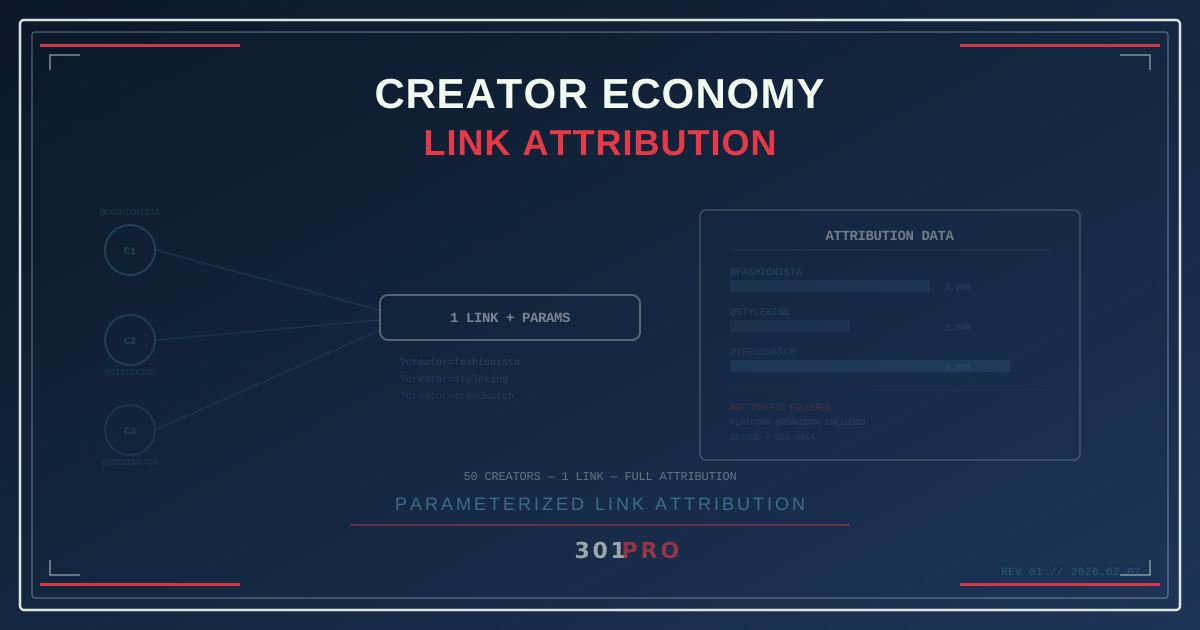
Fifty Creators, One Link, Zero Clarity
A DTC brand launches an influencer campaign. They partner with 50 creators. Each creator gets the same affiliate link to share with their audience. The campaign runs for a month.
At the end, the brand knows this: 12,000 clicks, 340 conversions. Nice.
What they don’t know: Which creators drove the conversions? Which platforms performed best? Did the YouTube creators outperform the TikTok creators? Did the micro-influencer with 8,000 followers beat the macro with 500,000?
They can’t answer any of these questions because every click looks the same in their analytics. Fifty creators, one link, zero attribution.
The usual fix? Create 50 separate links. One per creator. Now the marketing team is managing a spreadsheet of 50 links, making sure each creator gets the right one, and hoping nobody accidentally shares someone else’s link.
There’s a smarter approach.
The Attribution Problem
Creator economy attribution is broken in a specific way: the gap between “we know clicks happened” and “we know who drove them” is enormous.
Traditional affiliate programs solve this with unique coupon codes — each creator gets a code, and redemptions are tracked per code. That works for discount-driven purchases but misses the broader picture:
- What about clicks that don’t convert immediately?
- What about brand awareness that leads to direct search later?
- What about the creator whose audience clicked, browsed, and came back three days later to buy?
Coupon codes capture the last mile. Link attribution captures the whole journey.
The Parameterized Link Approach
Instead of creating a separate link for each creator, use one base link with creator-specific parameters. 301.Pro’s Click Data Enrichment captures these parameters and attributes every click to the right source.
How It Works
You create one campaign link: 301.pro/cde/summer-collection
Each creator adds their identifier as a parameter:
| Creator | Their Link |
|---|---|
| @fashionista | 301.pro/cde/summer-collection?creator=fashionista |
| @styleking | 301.pro/cde/summer-collection?creator=styleking |
| @trendwatch | 301.pro/cde/summer-collection?creator=trendwatch |
The base URL is the same. The destination is the same. But every click is tagged with the creator who drove it.
What You See in Analytics
301.Pro’s dashboard shows you click data broken down by the creator parameter:
- @fashionista: 3,200 clicks, 89% mobile, 62% Instagram, 28% TikTok
- @styleking: 1,800 clicks, 94% mobile, 85% TikTok
- @trendwatch: 4,500 clicks, 78% mobile, 45% YouTube, 35% Instagram
Now you know which creators are driving engagement, from which platforms, and on which devices. You didn’t create 50 separate links. You created one.
Why This Beats the Spreadsheet
The “separate link per creator” approach has practical problems that multiply with scale:
Problem 1: Distribution Errors
When you hand each creator a unique link, someone inevitably gets the wrong one. Creator A accidentally shares Creator B’s link. Now your attribution data is wrong, and you might not notice until the campaign ends.
With parameterized links, each creator adds their own identifier. The base link is always the same. There’s nothing to mix up.
Problem 2: Link Management Overhead
Fifty creators means fifty links to create, name, organize, and monitor. Scale that to a holiday campaign with 200 creators and you’re spending more time managing links than analyzing results.
One parameterized link means one link to manage, regardless of how many creators use it.
Problem 3: Inconsistent Analytics
When you have 50 separate links, aggregating their analytics requires manual work. You’re exporting data from 50 links, combining it in a spreadsheet, and building your own attribution model.
With one parameterized link, all the data is already unified. Filter by creator, aggregate across creators, compare creators side by side — it’s one data set with one source of truth.
Problem 4: Creator Experience
Creators prefer simple instructions. “Here’s your link — add ?creator=yourname to the end” is easier than “Here’s your unique link — please don’t share it with other creators and make sure you copy it exactly.”
Better yet, provide each creator a pre-built link with their parameter already attached. It’s still one base link in your system, but each creator gets their personalized version.
Multi-Platform Attribution
Creators typically share links across multiple platforms — Instagram bio, TikTok bio, YouTube description, Twitter posts, newsletter. A single click count doesn’t tell you which platform drove the engagement.
Layer platform parameters with creator parameters:
301.pro/cde/summer-collection?creator=fashionista&platform=instagram
301.pro/cde/summer-collection?creator=fashionista&platform=tiktok
301.pro/cde/summer-collection?creator=fashionista&platform=youtube
Now your analytics show not just which creator drove clicks, but which platform each creator was most effective on. Maybe @fashionista crushes it on Instagram but underperforms on TikTok. That insight shapes how you brief creators for the next campaign.
The Bot Problem in Creator Campaigns
Creator campaigns are particularly susceptible to inflated metrics. Link preview bots, social media crawlers, and URL scanners all generate clicks that look like human engagement but aren’t.
This matters for attribution because brands often compensate creators based on click performance. If 30% of a creator’s reported clicks are bots, the brand is overpaying for phantom engagement.
301.Pro’s Intelligent Bot Management separates human clicks from automated traffic. Your creator attribution reports show genuine human engagement, giving you accurate data for performance-based compensation.
We’ve covered the bot traffic problem in depth in our posts about bot filtering and why it matters for marketing reports.
The Conversion Window
Link attribution is most valuable when it extends beyond the initial click. A user might click a creator’s link on Monday, browse the product, and buy on Thursday. If your attribution only counts same-session conversions, you’re undercounting creator impact.
301.Pro’s Click Data Enrichment captures the full click journey — device type, geography, timing — so you can correlate click patterns with conversion data from your e-commerce platform. Even without direct conversion tracking in the link platform, the enriched click data helps you build attribution models that account for delayed conversions.
Campaign Structures That Work
Tiered Creator Programs
Structure your parameterized links to reflect your creator tiers:
| Tier | Parameter Pattern | Example |
|---|---|---|
| Brand Ambassadors | ?tier=ambassador&creator=name | Long-term partners, highest commission |
| Campaign Creators | ?tier=campaign&creator=name | Per-campaign partnerships |
| Micro-Influencers | ?tier=micro&creator=name | High volume, performance-based |
| Affiliate | ?tier=affiliate&creator=name | Open program, self-serve |
This lets you compare performance across tiers, not just individual creators.
Product-Specific Campaigns
When launching multiple products or collections, use the link path for the product and parameters for creator attribution:
301.pro/cde/summer-tops?creator=name301.pro/cde/summer-bottoms?creator=name301.pro/cde/accessories?creator=name
Each product has its own analytics. Creator attribution works across all of them.
Seasonal Campaigns
Time-based rules can layer with creator parameters. During a flash sale window, the link routes to the sale page. Before and after, it routes to the standard product page. Creator attribution works regardless of when the click happens.
The Compensation Model
Clean attribution data enables fair creator compensation. Instead of paying every creator the same flat rate, you can implement performance-based models:
- Cost per verified click: Pay for human clicks, not bot traffic
- Tiered performance bonuses: Creators who exceed click thresholds earn more
- Platform-weighted compensation: Clicks from high-conversion platforms may be worth more
- Geographic bonuses: Clicks from priority markets carry higher value
All of this requires attribution data that’s accurate, granular, and bot-filtered — exactly what parameterized links with Click Data Enrichment provide.
Getting Started
For brands running creator campaigns:
-
Create one campaign link per product or collection. Not one per creator.
-
Define your parameter structure. At minimum:
?creator=name. Optionally:&platform=source&tier=level. -
Provide pre-built links to creators. Give each creator their personalized link with parameters already attached. Make it easy.
-
Enable bot filtering. Ensure your analytics separate human engagement from automated traffic before making compensation decisions.
-
Review weekly during campaigns. Creator performance data is most actionable while the campaign is running — you can shift resources, extend top performers, and adjust briefs for underperformers.
The Bottom Line
The creator economy doesn’t need more links. It needs better links. One smart link with parameterized attribution gives you the granular data that 50 separate links could never provide cleanly.
Know which creators drive real engagement. Know which platforms work. Know the difference between human clicks and bot noise. And do it all without drowning in a spreadsheet of links.
Your creators are your distribution network. Give them — and yourself — the attribution they deserve.